Deciding between Cremation or Burial in Melbourne & Geelong
Choosing between a cremation and burial service is one of the major decisions a family will make following the passing of their loved ones. In Victoria, both options are common, but they carry different costs, traditions and practical steps.
Some people think first about their faith and traditional rites. Others focus on budget, simplicity, or what their parents may have mentioned many years ago. There is no perfect answer, but understanding the differences between these options can make the decision feel steadier and more respectful.
The Cremation Process in Victoria
The cremation process is usually simpler than many people expect. In Victoria, it starts with arranging a transfer into the care of a funeral service. Any required paperwork is completed with the support of a funeral consultant by the senior next of kin or the executor of the person’s estate. Afterwards, families can choose the type of cremation service they would like. This may be a direct cremation, private farewell or a formal funeral service prior to the cremation, which may be held at a range of venues including; cemetery chapels, churches and other religious venues or other venues located in the community. This flexibility is one reason that many Melbourne families choose a cremation service.
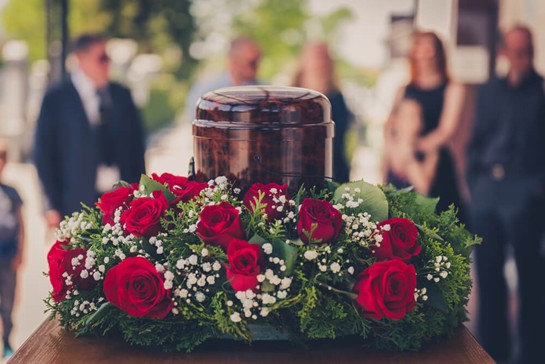
After a cremation has taken place, ashes are provided to the person that arranged the funeral. There is a variety of meaningful options for what to do with the ashes. They can be kept in an urn, interred in a grave or memorial garden at a cemetery or buried or scattered in a meaningful location. Ashes can also be divided into multiple urns and even included in specially designed jewellery and other specialised keepsakes.
Understanding Burial in Victoria
The process for a arranging a burial is similar to a cremation in the beginning however the paperwork required differs and there is a need to arrange to use a grave prior to a funeral service. This may involve purchasing a grave or providing paperwork to a cemetery to ensure that the person has the right to use an existing grave.
Burials often involve a funeral service, followed by an interment into the allocated grave at the cemetery. Burial services can be simple services held at the graveside or a formal funeral service elsewhere followed by a funeral procession to the cemetery. Funeral services prior to burial can be held in preferred locations such as churches and other religious venues and a range of other venue locations in the community.
For some families, burial services feel right because they provide a permanent place of rest, which gives family members and friends a physical place to visit their loved one on special anniversaries or on difficult days in between. Burials are also and necessary for certain religions and cultures. The physical location of a grave can provide comfort to those who remain. Burials suit many families who would like a family plot to visit and like to display the name and information about their loved one on a plaque or headstone. As availability of cemetery plots vary between cemeteries, it is helpful to check details early.
Cost Considerations
For many households, cost is important, even if nobody likes saying it out loud. Cremation is the lower-cost option because there is no grave to purchase or interment fee to pay for, hence fewer cemetery fees. Burial costs vary between cemeteries. They can be quite significant depending on the location and size of the cemetery, whether a grave is already owned and the type of grave that you may choose to purchase.
The cost can be influenced by added inclusions such as they type of coffin used, funeral notices in newspapers, venue fees and livestreaming in some locations. A modest funeral can still be respectful and meaningful. What matters is having clear pricing, so you know what is required and what is optional before making any decisions.
Cultural, Religious and Personal Beliefs
Belief and family history often shape the decision for the funeral service. Some religions and traditions have clear expectations around funeral rites, including timing, prayer, handling of the body and the need for burial. When these expectations do not exist, most families are comfortable with cremation, especially if their loved one expressed this wish in advance.
Personal feelings of family and friends in providing a fitting farewell are of significance and should be taken into account. Funerals should be flexible to meet the needs of families. Some people find comfort in a providing a formal farewell in a certain location such as a church or graveside. Others prefer to have a cremation and memorial service held in their own time when the loss isn’t raw and family can come together.
How to Decide What Feels Right
If your loved one has left instructions or preplanned their funeral it is helpful to begin there. They may already have the right to use a grave or may have been clear that they would like to be cremated. If not, think about what suited them in life, not what looks best on paper. Their beliefs, the budget for the funeral and the kind of remembrance you want all count. It can help to consider a few questions. Will people want a place to visit after the funeral takes place? Is a formal service important? Would a quieter more laid-back option feel more honest? Give yourself space to talk it through with those involved. A rushed decision sometimes is not the best decision.
Talk to Someone Who Can Help
Services for both burials and cremations can honour a person well.
If you want calm guidance on the next steps, Australian Pensioner Funerals can talk you through the options. Visit our contact page or call (03) 9419 0004 to speak with someone who understands what families are dealing with.